Must things to do in Oahu
- js03151948
- Feb 8
- 11 min read


Oahu, often referred to as "The Gathering Place," is the third largest island in the Hawaiian archipelago and is renowned for its stunning landscapes, vibrant culture, and rich history. It serves as the state capital of Hawaii, with Honolulu located on its southeastern shore, making it a central hub for both tourism and local life. Oahu is home to a diverse population, with a blend of native Hawaiians, Asian Americans, and individuals from various backgrounds, contributing to a unique cultural tapestry that is reflected in its festivals, cuisine, and daily life.
The island boasts a variety of attractions that cater to different interests. For outdoor enthusiasts, Oahu offers breathtaking natural scenery, including the iconic Diamond Head crater, lush hiking trails such as the Manoa Falls Trail, and pristine beaches like Waikiki and Lanikai, which are famous for their crystal-clear waters and soft, white sands. Water sports are immensely popular here, with opportunities for surfing, snorkeling, and paddleboarding available year-round, drawing both novice and experienced adventurers alike.
In addition to its natural beauty, Oahu is steeped in history. The island played a significant role during World War II, particularly with the attack on Pearl Harbor, which is now home to a national monument and museum that educates visitors about the events of December 7, 1941. The rich history of Oahu can also be explored through various cultural sites, such as the Iolani Palace, the only royal palace in the United States, and the Bishop Museum, which houses extensive collections of Hawaiian artifacts and cultural exhibits.
Culinary experiences on Oahu are equally diverse and enticing. The island's food scene is a melting pot of flavors, influenced by its multicultural heritage. From traditional Hawaiian dishes like poke and kalua pig to Asian-inspired cuisine such as ramen and dim sum, visitors can indulge in a wide array of dining options. Food trucks and local markets also offer a chance to savor authentic island fare in a casual setting, making it easy for anyone to enjoy the culinary delights Oahu has to offer.
Oahu's vibrant nightlife and entertainment scene further enhance its appeal. The island features a variety of venues, from lively bars and clubs in Honolulu to cultural performances showcasing traditional Hawaiian music and hula dancing. Festivals and events throughout the year, such as the Honolulu Festival and the Aloha Festivals, celebrate the island's cultural heritage and provide visitors with a deeper understanding of the local customs and traditions.
Overall, Oahu is a captivating destination that offers a harmonious blend of natural beauty, rich history, and cultural diversity, making it an ideal location for travelers seeking adventure, relaxation, and a deeper connection to the Hawaiian way of life.

Waimāe Falls, located on the stunning island of Oahu in Hawaii, is a breathtaking natural attraction that draws visitors from around the world. Nestled within the lush landscape of the island, these majestic waterfalls cascade down a rocky cliff, creating a picturesque scene that embodies the beauty of the Hawaiian wilderness. The falls are approximately 100 feet high, and the water flows into a serene pool below, inviting adventurers to take a refreshing dip in its cool, clear waters. The journey to Waimāe Falls often involves a scenic hike through the dense tropical rainforest, where hikers can experience the vibrant flora and fauna unique to the region. Along the trail, visitors may encounter a variety of native plants, colorful flowers, and possibly even some of the local wildlife, such as birds and small mammals. The hike can be both invigorating and rewarding, offering glimpses of stunning vistas and the sounds of nature that enhance the overall experience. For those interested in photography, Waimāe Falls presents an excellent opportunity to capture the natural beauty of Hawaii. The interplay of light and water, especially during sunrise or sunset, creates a magical atmosphere that is perfect for stunning landscape shots. Additionally, the surrounding area is rich in cultural significance, with many stories and legends associated with the falls, making it not only a visual delight but also a place of historical importance. Visitors to Waimāe Falls should be aware of the local guidelines and safety tips to ensure an enjoyable experience. It is essential to respect the natural environment, stay on designated trails, and be cautious of slippery rocks and changing weather conditions. With its captivating beauty and serene ambiance, Waimāe Falls remains a must-visit destination for anyone exploring the enchanting island of Oahu.

Byodo Temple, also known as Byodo-in, is a stunning Buddhist temple located in the picturesque Valley of the Temples in Oahu, Hawaii. Established in 1968 as a tribute to the original Byodo-in Temple in Uji, Japan, which dates back to the 11th century, the Hawaiian version serves as a serene place of worship and reflection for both locals and visitors alike. The temple is renowned for its breathtaking architecture, which mirrors the exquisite design of its Japanese counterpart, featuring intricate wooden structures, elegant roofs, and beautifully landscaped gardens that create a tranquil atmosphere.
The temple grounds encompass a sprawling area filled with lush greenery, koi ponds, and meticulously maintained paths that invite visitors to explore and appreciate the natural beauty surrounding them. One of the most striking features of Byodo Temple is the giant wooden Buddha statue, known as the Amida Buddha, which stands at an impressive nine feet tall within the main hall. This statue, along with the temple's ornate decorations, embodies the essence of Buddhist art and spirituality, drawing the admiration of those who come to experience its peaceful ambiance.
In addition to its architectural beauty, Byodo Temple plays an important role in the local community. It serves as a place for various cultural events, ceremonies, and educational programs that promote understanding and appreciation of Buddhist practices and philosophies. Visitors can participate in traditional rituals, such as ringing the temple bell, which is believed to symbolize the cleansing of the mind and spirit. The temple also offers opportunities for meditation and reflection, allowing individuals to connect with their inner selves amidst the serene surroundings.
Moreover, the temple's location in the lush, green hills of Oahu adds to its allure, making it a popular destination for those seeking both spiritual enrichment and a connection to nature. The combination of the temple's historical significance, architectural beauty, and tranquil environment makes Byodo Temple a unique and cherished landmark in Hawaii, inviting all who visit to pause, reflect, and find peace in their journey.

Dole Plantation, located on the beautiful island of Oahu in Hawaii, is a popular tourist destination that offers visitors a unique glimpse into the history and cultivation of pineapple, one of the islands' most iconic agricultural products. Established in 1950, the plantation spans over 40 acres of lush, tropical landscape, providing an immersive experience that showcases the rich agricultural heritage of Hawaii. Visitors can explore the expansive grounds, which feature a variety of attractions including the world's largest maze made entirely of living plants, a train tour that offers insights into the plantation's operations, and a pineapple garden that displays numerous pineapple varieties. The plantation is not just about pineapples; it also serves as an educational hub where guests can learn about the history of the Dole family, the significance of pineapple cultivation in Hawaii, and the impact of the pineapple industry on the local economy. Interactive exhibits and guided tours provide in-depth information about the farming techniques used in pineapple production, as well as the journey of the fruit from farm to table. In addition to the educational aspects, Dole Plantation offers a delightful array of treats for visitors to enjoy. The Dole Whip, a refreshing pineapple-flavored soft serve, has become a must-try item for many who visit, often enjoyed while taking in the scenic views of the surrounding landscape. The plantation's gift shop features a wide range of pineapple-themed merchandise, local crafts, and delicious snacks, allowing visitors to take a piece of the experience home with them. Overall, Dole Plantation is more than just a tourist attraction; it is a celebration of Hawaii's agricultural history and a testament to the enduring legacy of pineapple cultivation on the islands. Whether you are a history buff, a nature lover, or simply looking for a fun family outing, Dole Plantation offers a comprehensive and enjoyable experience that highlights the beauty and bounty of Hawaii.

Li hing mui powder
Li hing mui powder is a unique and flavorful ingredient that originates from the traditional Chinese snack known as li hing mui, which consists of dried plums that have been salted and flavored with various spices. The powder itself is made by grinding these dried plums into a fine, reddish-brown powder that carries a distinctive sweet, salty, and slightly sour taste. This intriguing combination of flavors makes li hing mui powder a popular choice for enhancing a wide range of culinary dishes and beverages.
In Hawaiian cuisine, li hing mui powder has gained significant popularity, often used to flavor fruits, candies, and even cocktails. It is commonly sprinkled over fresh fruits such as mango, pineapple, and watermelon, adding a zesty kick that elevates the natural sweetness of the fruit. Additionally, it has found its way into various desserts, such as shave ice, where it is dusted on top to create a delightful contrast of flavors.
The versatility of li hing mui powder extends beyond just sweet applications; it can also be incorporated into savory dishes. Chefs and home cooks alike experiment with the powder to create marinades, dressings, and rubs, lending an exotic twist to meats and vegetables. Its unique flavor profile can enhance the taste of dishes, making it a sought-after ingredient in both traditional and contemporary culinary practices.
Moreover, the cultural significance of li hing mui powder cannot be overlooked. It represents a fusion of flavors that reflects the culinary traditions of Chinese immigrants in Hawaii, showcasing how food can transcend borders and evolve over time. As food enthusiasts continue to explore and embrace diverse flavors, li hing mui powder remains a staple that brings a taste of the past into modern kitchens.
In conclusion, li hing mui powder is more than just a seasoning; it is a flavorful representation of cultural heritage and culinary creativity. Whether used in sweet treats, savory dishes, or refreshing beverages, this powder adds a unique dimension to a variety of recipes, making it a beloved ingredient among many.

The palace in Oahu, known as Iolani Palace, holds a significant place in Hawaiian history and culture. Located in the heart of Honolulu, this majestic structure was the official residence of the Hawaiian monarchy during the late 19th century. Constructed in 1882 under the reign of King Kalakaua, Iolani Palace is a symbol of the rich heritage and political history of Hawaii.
The architecture of Iolani Palace is particularly noteworthy. Designed in a style that blends elements of American and European influences, the palace features intricate details that reflect the grandeur of the royal family. The building is made of coral and brick, with a striking exterior painted in a soft yellow hue. Its two-story structure is adorned with a grand staircase leading to the entrance, where visitors are greeted by ornate chandeliers and beautifully crafted wooden furnishings inside.
As the only royal palace in the United States, Iolani Palace served not only as a residence but also as a venue for significant state functions and ceremonies. It was here that King Kalakaua hosted dignitaries and foreign officials, showcasing the kingdom's wealth and cultural pride. The palace remains a testament to the Hawaiian monarchy's legacy, particularly during the reigns of King Kalakaua and his sister, Queen Liliuokalani, who was the last monarch of Hawaii before the overthrow of the Hawaiian Kingdom in 1893.
Today, Iolani Palace is a historic site and museum that attracts visitors from around the world. Guided tours provide insight into the opulent lifestyle of the Hawaiian royals, allowing guests to explore the beautifully restored rooms, including the throne room, reception area, and royal bedrooms. The palace also houses a collection of artifacts, photographs, and documents that tell the story of Hawaii's royal heritage and the events leading to the annexation of Hawaii by the United States.
In addition to its architectural and historical significance, Iolani Palace is surrounded by beautifully landscaped gardens, which enhance its regal presence. The grounds feature native Hawaiian plants and trees, providing a serene environment for reflection and appreciation of the palace's storied past.
Visitors to Oahu often include Iolani Palace in their itineraries to gain a deeper understanding of Hawaii's unique history and the enduring spirit of its people. The palace stands as a reminder of a time when Hawaii was an independent kingdom and continues to be a focal point for cultural events and educational programs that celebrate Hawaiian traditions and history.
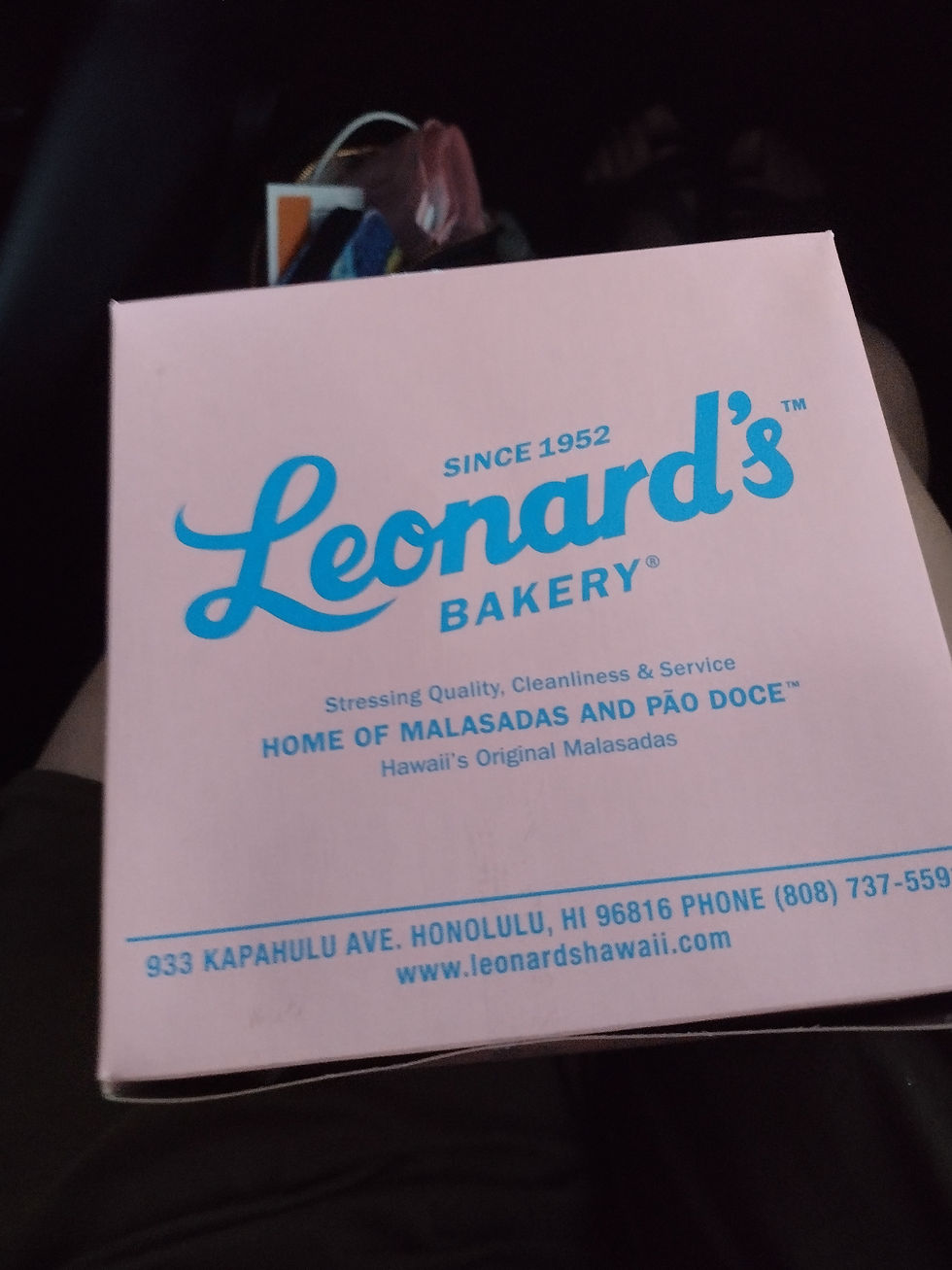
Leonard's Bakery, a beloved establishment located on the beautiful island of Oahu, Hawaii, is renowned for its delectable treats and rich history. Established in 1952, this iconic bakery has become a staple in the local community and a must-visit destination for tourists seeking to indulge in authentic Hawaiian flavors. The bakery is particularly famous for its signature malasadas, which are Portuguese doughnuts that are deep-fried to golden perfection and rolled in granulated sugar. Each malasada is light, fluffy, and bursting with flavor, often filled with a variety of fillings such as custard, chocolate, and haupia, a traditional coconut cream. In addition to malasadas, Leonard's Bakery offers a wide array of other baked goods, including pastries, cakes, and breads, all crafted with the finest ingredients and a touch of Aloha spirit. The bakery's commitment to quality and tradition has earned it numerous accolades and a loyal following. Locals and visitors alike often find themselves lining up outside the bakery, eager to savor the warm, fresh malasadas straight from the fryer. The inviting atmosphere of Leonard's Bakery, combined with the mouthwatering aroma of freshly baked goods, creates an unforgettable experience for anyone who steps through its doors. The bakery also features a charming interior adorned with vintage photos and memorabilia that reflect its long-standing presence in the community. Whether you're a first-time visitor or a returning customer, Leonard's Bakery on Oahu promises a delightful culinary experience that captures the essence of Hawaiian culture and hospitality.

The Aloha Tower is an iconic landmark located in Honolulu, Hawaii, that stands as a symbol of the rich maritime history and cultural heritage of the islands. Built in 1926, this stunning structure originally served as a lighthouse, guiding ships safely into the bustling harbor of Honolulu. Standing at an impressive height of 184 feet, the Aloha Tower was once the tallest building in Hawaii and was designed in the Art Deco architectural style, which was popular during that era. The tower features a distinctive clock that chimes every hour, adding to its charm and appeal. Over the years, it has become a popular gathering place for both locals and tourists, offering breathtaking views of the surrounding ocean and cityscape from its observation deck. The Aloha Tower Marketplace, which is situated adjacent to the tower, provides a vibrant shopping and dining experience, showcasing local artisans and cuisines, making it a must-visit destination for anyone exploring the area. Moreover, the Aloha Tower holds significant cultural importance, often being used as a backdrop for various events, celebrations, and festivals that reflect the spirit of aloha that is central to Hawaiian culture. It is not only a functional structure but also a historical monument that tells the story of Hawaii's evolution as a key player in maritime trade and tourism in the Pacific. The tower continues to be a beloved landmark, embodying the warm hospitality and welcoming nature of the Hawaiian Islands.

It is essential to please respect the land on Oahu, as it holds significant cultural, historical, and ecological value. The island, known for its stunning landscapes, rich biodiversity, and vibrant traditions, is home to numerous native species and sacred sites that are integral to the identity of the Hawaiian people. Understanding the importance of the land means recognizing the deep connection that the local communities have with their environment. This connection is rooted in a long history of stewardship, where the land is not merely a resource but a living entity deserving of care and reverence. Visitors and residents alike are encouraged to engage in responsible practices that protect Oahu's natural beauty. This includes staying on marked trails when hiking, avoiding littering, and respecting wildlife habitats. Additionally, it is crucial to be mindful of the cultural significance of certain locations, such as ancient heiaus (temples) and other historical sites, which require a respectful approach to ensure their preservation for future generations. By fostering a sense of responsibility towards the land, we can contribute to the sustainability of Oahu's unique ecosystems and support the ongoing efforts of local communities to maintain their cultural heritage. Ultimately, respecting the land on Oahu is not just about conservation; it is about honoring the traditions and values of the people who have lived in harmony with this beautiful island for centuries. Together, we can ensure that Oahu remains a vibrant and cherished place for both current and future generations.


Comments